Best Smoked Beef Ribs: Cuts, Technique, and Pitmaster Tips
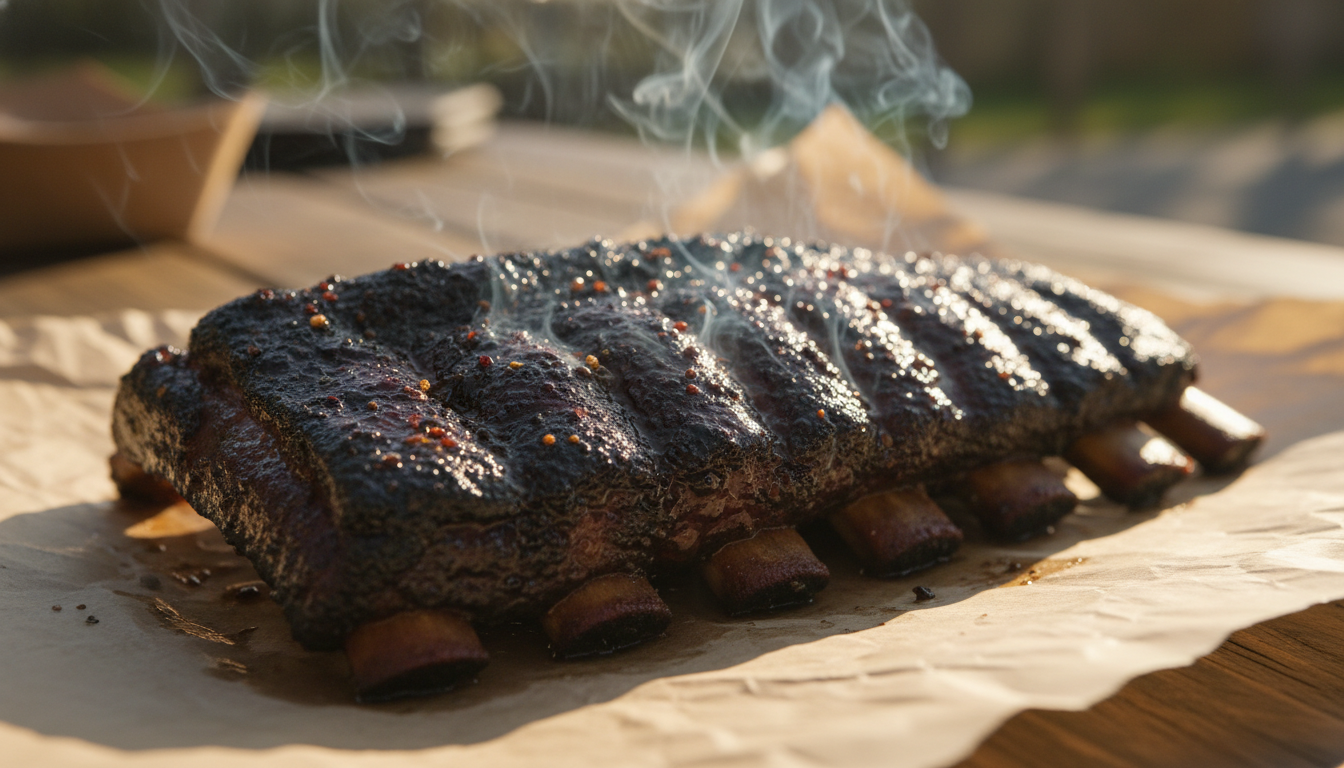
Beef ribs are one of the most rewarding things you can cook on a pellet grill — and one of the most misunderstood. The cut you choose, the temp you run, and how long you let them ride all determine whether you get that glossy, pull-apart bark or something that fights back.
The Right Cut Makes or Breaks the Cook
Not all beef ribs are equal. There are three main cuts worth knowing:
- Plate short ribs (USDA 123A) — The holy grail. Three bones, thick meat, heavy fat cap. These are the ones that go viral. Also called “dino ribs” or “beef back ribs’ bigger cousin.” Typically sold by specialty butchers and online.
- Back ribs — Cut from the prime rib section. Most of the meat was already trimmed off when the ribeye was removed, so what’s left is mostly in between the bones. Still flavorful, cooks faster, but less impressive.
- Chuck short ribs — Four bones, cut thinner. Good eating, but not the showstopper that plate ribs are.
If your goal is maximum impact — deep bark, jiggly meat, serious smoke ring — track down plate short ribs. Ask your butcher for “USDA 123A” or order from a supplier like Snake River Farms or Porter Road.
Pellet Choice and Grill Setup
Oak is the benchmark wood for beef. It burns clean, produces a deep smoke ring, and doesn’t overpower the meat the way hickory can if the cook runs long. Post oak in particular is what Central Texas pitmasters run, and for good reason.
For pellets, Lumberjack Competition Blend Pellets hit that oak-forward profile with some hickory and cherry mixed in. Bear Mountain BBQ Bold Beef Blend Pellets are another strong call specifically designed around beef cooks — mesquite and hickory-forward.
Set your grill to 250°F–275°F. Lower than 250°F and you risk stalling in a bad spot; much higher and the bark can set before the interior has time to break down. The Traeger Timberline 1300 and the Recteq RT-700 both hold temp well enough for a 10-hour cook without babysitting.
Prep: Keep It Simple
Plate short ribs don’t need a complicated rub. The meat does the work.
Trim the silverskin on the bone side — leave the fat cap mostly intact, just score it lightly if it’s thicker than half an inch. A simple rub is all you need:
- Coarse kosher salt
- 16-mesh black pepper
- Optional: granulated garlic (light hand)
That’s it. The classic 50/50 salt-and-pepper “dalmatian rub” is what Aaron Franklin uses, and his ribs speak for themselves. Apply the rub at least an hour before the cook — overnight in the fridge uncovered works even better for bark development.
The Cook: Time, Temp, and the Stall
Put the ribs on cold, bone-side down, fat cap up. You want smoke contact on the meat surface from the first minute.
Expect a 8–12 hour cook on plate ribs at 250°F depending on thickness. The internal temp target is 200°F–205°F, but don’t pull them based on temp alone — probe with an instant-read thermometer like the Thermoworks Thermapen ONE. When the probe slides into the thickest part with zero resistance — like pushing into warm butter — they’re done.
The stall will hit somewhere around 160°F–170°F internal. You can wrap in butcher paper at that point (not foil — foil steams and softens the bark). Wrapping cuts the stall short without sacrificing crust the way foil does. Some pitmasters skip the wrap entirely on plate ribs; the fat content is high enough that they push through on their own, just slower.
Once they hit temp, rest them for at least 45 minutes — an hour is better. Wrap in a clean layer of butcher paper and put them in a cooler or low oven (170°F) to hold. The rest matters as much as the cook.
What to Serve and How to Cut
Slice between the bones. That’s it. Each rib is a full portion; plate short ribs are enormous.
Serve with pickled red onion or quick-pickled jalapeños — the acid cuts through the fat. White bread is traditional. Skip the sauce; these don’t need it.
If you’ve got leftovers (unlikely), slice the meat off the bone thin and pile it on a sandwich with horseradish cream. Second day is arguably better.
Bottom line: Plate short ribs cooked low and slow on an oak pellet are the benchmark for beef BBQ — nothing else on the grill comes close to that combination of bark, fat, and smoke ring. Get the right cut, keep the rub simple, and don’t rush the probe test.