Camp Chef Woodwind Review: Is It Worth the Price?
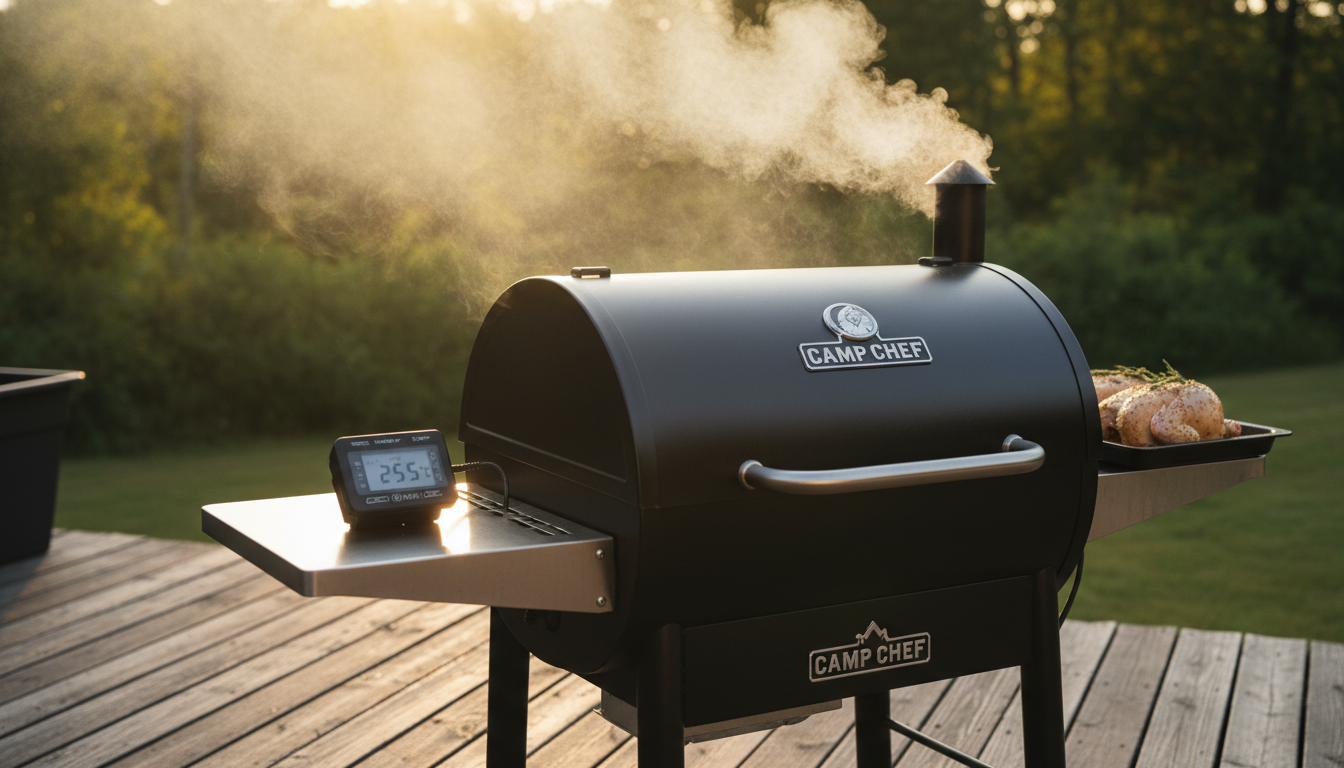
The Camp Chef Woodwind line sits in a crowded middle tier — not cheap, not flagship — and buyers want to know if it earns its price. Short answer: for most backyard cooks, yes. Here’s what separates it from the competition and where you’ll feel the compromises.
Which Woodwind Model Are You Looking At?
Camp Chef sells several Woodwind variants — the standard Woodwind, the Woodwind Pro, and the Woodwind WiFi — at different price points and with meaningfully different feature sets. They share the same core platform but diverge on connectivity, the Smoke Box add-on, and grate area.
The Camp Chef Woodwind Pro 36 is the most talked-about version right now. It adds the dedicated Smoke Box, a separate firebox chamber that takes wood chunks or chips alongside pellets. That’s a genuine differentiator — it produces noticeably heavier smoke flavor than a standard pellet auger setup.
If you don’t care about the Smoke Box, the Camp Chef Woodwind WiFi 24 is the entry point to the line and handles everyday cooks capably at a lower price.
Temperature Range and Smoke Output
The Woodwind runs from 160°F to 500°F, which covers everything from cold-adjacent smoke holds through high-heat searing. The smoke settings (1–10 on the dial) adjust the auger’s cycle to increase incomplete combustion — lower settings mean more smoke, not less heat. It works.
At Smoke Level 7–10 you’ll notice a real smoke ring on brisket and ribs. At Level 1–3, it burns cleaner and runs more efficiently. Most users land around 5–6 for pulled pork and chicken thighs.
The Woodwind Pro’s Smoke Box is the real story. Adding a couple of chunks of post oak or cherry wood in that secondary chamber while running hickory or competition blend pellets layers smoke complexity in a way that standard pellet grills can’t replicate. If smoke flavor is your primary reason for buying, the Pro is worth the price difference.
Build Quality and Hopper
The Woodwind uses a heavy-gauge steel body with a powder coat finish that holds up well to regular outdoor exposure. The hopper holds 22 lbs of pellets — enough for a full overnight brisket cook without a refill on most pellet types.
The ash cleanout system (a simple pull-out cup at the bottom of the fire pot area) is one of the better implementations in this price range. Other brands make you scoop ash manually or buy a vacuum. The slide-and-dump mechanism takes about 30 seconds.
Grates are stainless steel, not the thin chrome wire you get on cheaper units. They hold up to scrubbing and seasoning over time without warping.
WiFi and App Control
The WiFi-equipped models connect to Camp Chef’s app, which lets you monitor grill temp, meat probe temps, and adjust settings remotely. The app is functional — not polished, but reliable. You can set a target temp and a hold temp (say, cook to 205°F then drop to 150°F to hold), which is genuinely useful for overnight cooks.
Probe accuracy is solid out of the box. Camp Chef includes one meat probe; you’ll want a second for larger cooks. The ThermoPro TP-20 works well as a standalone backup and doesn’t require app integration.
Temperature variance across the grate surface runs about ±15°F at 225°F, which is average for this class. The left side near the exhaust stack runs slightly cooler — worth knowing for placing a large brisket flat.
How It Stacks Up Against the Competition
The Woodwind Pro 36 competes directly with the Traeger Ironwood 885 and the Recteq Bullseye Deluxe. Here’s where Camp Chef wins and loses:
Woodwind advantages:
- Smoke Box (Pro models) adds real wood smoke without babysitting a stick burner
- Ash cleanout is faster and less messy
- Slide-and-grill direct flame access on compatible models for actual searing
Where it falls short:
- App experience is behind Traeger’s
- No insulated side walls (cold-weather cooks above 6,000 ft or below 20°F will struggle with temp stability)
- Exterior paint can discolor faster than competitors if left uncovered
If smoke flavor and easy cleanup matter most, Camp Chef edges out Traeger at equivalent price points. If you want the most refined digital experience or cook frequently in very cold climates, Traeger or Recteq are worth considering.
Who Should Buy the Woodwind
The Woodwind Pro 36 is the right call for cooks who want pellet-grill convenience but aren’t satisfied with the mild smoke output that most pellet grills produce. The Smoke Box solves the core complaint against the format.
The standard Woodwind WiFi 24 makes sense if you’re cooking for 2–4 people, want WiFi monitoring, and don’t need the extra smoke intensity or cooking area.
Bottom line: The Woodwind Pro 36 is the most compelling all-around pellet grill in its price tier. The Smoke Box alone justifies choosing it over comparable Traeger models — and the ash cleanout will make you wonder why the rest of the industry hasn’t copied it yet.